
Dubai’s 100 Hives Initiative Strengthens Food Security by Educating Students on the Vital Role of Pollinators

Dubai’s 100 Hives Initiative Strengthens Food Security by Educating Students on the Vital Role of Pollinators

Dubai Expo City Terra has launched the 100 Hives initiative, aimed at educating children about the crucial role of pollinators in food security. This program emphasizes the life lessons embedded in the world of bees, fostering a deeper connection between students and nature.

Did you know there are approximately 20,000 species of bees globally? Only seven of these species produce honey, while the majority serve as vital pollinators, ensuring food reaches our tables. Dr. Meriem Hammal, manager of the Pollinator Programme at Terra Expo City, highlighted that bees pollinate 75-80% of the food consumed by humans, underscoring their importance for survival.

The initiative commenced with the installation of the first beehive at Deira International School in Dubai. Terra, the Sustainability Hub at Expo City Dubai, designed this program to provide hands-on learning experiences that promote environmental stewardship among students.

On June 26, a partnership agreement was signed between Marjan Faraidooni, Chief of Education and Culture at Expo City Dubai, and Mira Al Futtaim, Chief Future Education Officer at Al-Futtaim Education Foundation, marking the school’s official participation in the 100 Hives initiative.

As part of the initiative, teachers received training to become professional beekeepers, while students learned about the critical functions of bees and the importance of preserving their populations. Activities included naming the Queen Bee of their hive—chosen as Beyoncé—and participating in a beeswax candle-making workshop.

Tiny Insects, Huge Impact

Bees are essential to global food production, with pollinators contributing between $235 billion and $577 billion annually. Approximately 35% of global crop production relies on these creatures, making them integral to food security. However, pollinators face significant threats that directly impact this security.

Dr. Hammal discussed the phenomenon known as Colony Collapse Disorder, first identified in 2015, which has led to declining bee populations due to overuse in agricultural practices. The movement of beehives for cross-pollination has stressed these hives, making them susceptible to diseases. Climate change also disrupts the blooming seasons of flowers, affecting the availability of food for bees.
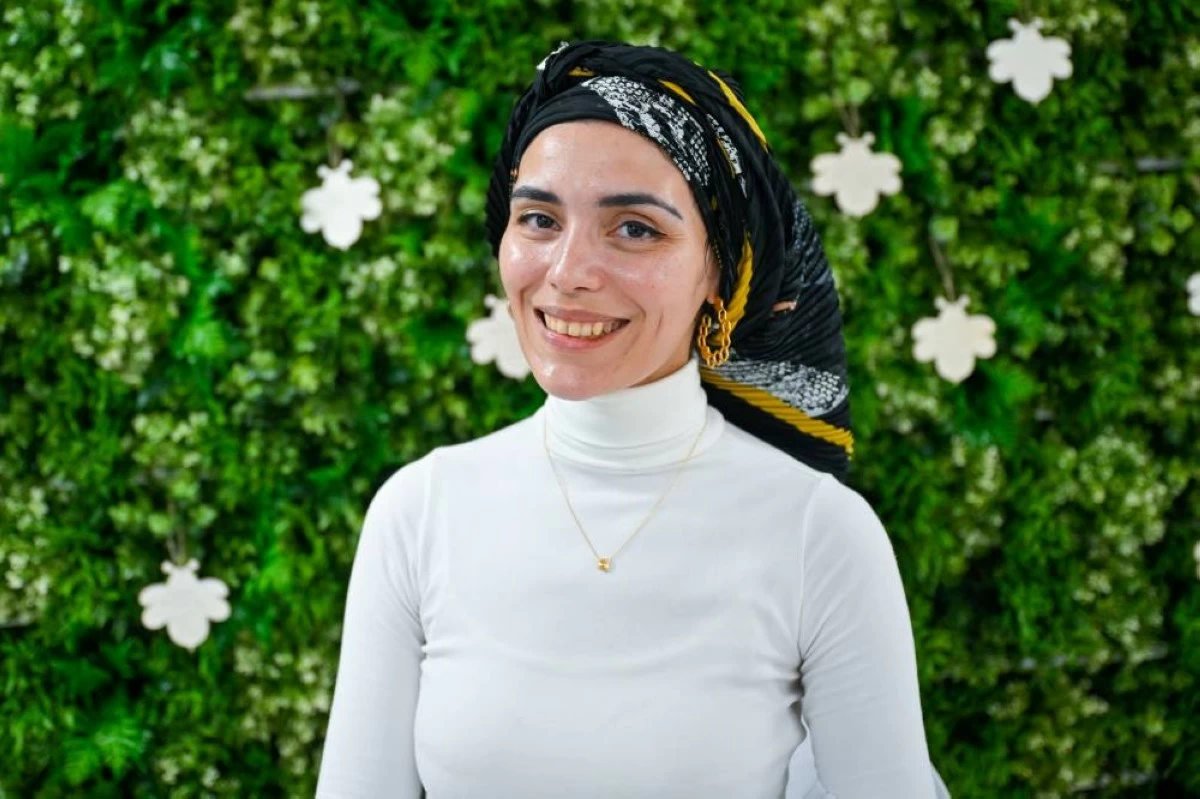
Dr. Meriem Hammal

Dr. Hammal emphasized that the greatest threats to bees stem from a lack of awareness, genetic pollution, and pesticide use. She noted that fear of bees contributes to the widespread application of pesticides.

The 100 Hives initiative, along with the ‘Bee Kind’ outreach program and the ‘Dr. Jane Goodall pollinator garden’ at the sustainability hub, aims to address these challenges by creating sustainable habitats and preserving local flora and fauna. The program specifically focuses on promoting native bee species within the local ecosystem.

Learning from Bees

Dr. Hammal believes that bees can impart valuable lessons beyond their role in food security. As an “accidental beekeeper,” she initially pursued beekeeping training to complement her veterinary education. Her first encounter with bees was transformative, as she observed a trainer who had never attended school interact with the bees without fear.

This experience ignited her passion for beekeeping. Today, as the manager of the Pollinator Programme at Terra Expo City, she aims to inspire curiosity in children through the installation of beehives in schools. She noted that children can learn teamwork and time management skills from bees, as well as engage in interdisciplinary studies involving art and mathematics related to bee behavior.

A Learning Experience

Participants in the initiative left with intriguing insights about bees. Nine-year-old Musa Ibrahim Ahmed highlighted that male bees, known as drones, do not perform work within the hives. He noted that drones lack stingers and are often restricted in their activities.

Saira Ali, a primary school teacher at Deira International School, emphasized the educational value of understanding the roles of different bees. She explained that children were fascinated to learn that female bees handle all the work within the hive, showcasing the collaborative nature of bee society.

Saira Ali

Ali described how bees communicate and coordinate tasks through behaviors like festooning, where they link legs to measure hive construction. She remarked on the instinctive teamwork of bees, contrasting it with human challenges in collaboration.

How UAE Schools Can Participate in the 100 Hives Initiative

Schools interested in joining the 100 Hives initiative can reach out via email at [email protected]. The program invites educational institutions to introduce beehives on campus and integrate biodiversity, pollinator conservation, and environmental stewardship into their curricula.

As reported by www.emirates247.com.

Explore the latest digital editions of FAME Delivered in the Magazine section: https://famedelivered.com/magazine/

Published on 2026-06-26 15:28:00 • By FAME Delivered News Desk

Dubai’s 100 Hives Initiative Strengthens Food Security by Educating Students on the Vital Role of Pollinators

Dubai’s 100 Hives Initiative Strengthens Food Security by Educating Students on the Vital Role of Pollinators

Dubai Expo City Terra has launched the 100 Hives initiative, aimed at educating children about the crucial role of pollinators in food security. This program emphasizes the life lessons embedded in the world of bees, fostering a deeper connection between students and nature.

Did you know there are approximately 20,000 species of bees globally? Only seven of these species produce honey, while the majority serve as vital pollinators, ensuring food reaches our tables. Dr. Meriem Hammal, manager of the Pollinator Programme at Terra Expo City, highlighted that bees pollinate 75-80% of the food consumed by humans, underscoring their importance for survival.

The initiative commenced with the installation of the first beehive at Deira International School in Dubai. Terra, the Sustainability Hub at Expo City Dubai, designed this program to provide hands-on learning experiences that promote environmental stewardship among students.

On June 26, a partnership agreement was signed between Marjan Faraidooni, Chief of Education and Culture at Expo City Dubai, and Mira Al Futtaim, Chief Future Education Officer at Al-Futtaim Education Foundation, marking the school’s official participation in the 100 Hives initiative.

As part of the initiative, teachers received training to become professional beekeepers, while students learned about the critical functions of bees and the importance of preserving their populations. Activities included naming the Queen Bee of their hive—chosen as Beyoncé—and participating in a beeswax candle-making workshop.

Tiny Insects, Huge Impact

Bees are essential to global food production, with pollinators contributing between $235 billion and $577 billion annually. Approximately 35% of global crop production relies on these creatures, making them integral to food security. However, pollinators face significant threats that directly impact this security.

Dr. Hammal discussed the phenomenon known as Colony Collapse Disorder, first identified in 2015, which has led to declining bee populations due to overuse in agricultural practices. The movement of beehives for cross-pollination has stressed these hives, making them susceptible to diseases. Climate change also disrupts the blooming seasons of flowers, affecting the availability of food for bees.

Dr. Meriem Hammal

Dr. Hammal emphasized that the greatest threats to bees stem from a lack of awareness, genetic pollution, and pesticide use. She noted that fear of bees contributes to the widespread application of pesticides.

The 100 Hives initiative, along with the ‘Bee Kind’ outreach program and the ‘Dr. Jane Goodall pollinator garden’ at the sustainability hub, aims to address these challenges by creating sustainable habitats and preserving local flora and fauna. The program specifically focuses on promoting native bee species within the local ecosystem.

Learning from Bees

Dr. Hammal believes that bees can impart valuable lessons beyond their role in food security. As an “accidental beekeeper,” she initially pursued beekeeping training to complement her veterinary education. Her first encounter with bees was transformative, as she observed a trainer who had never attended school interact with the bees without fear.

This experience ignited her passion for beekeeping. Today, as the manager of the Pollinator Programme at Terra Expo City, she aims to inspire curiosity in children through the installation of beehives in schools. She noted that children can learn teamwork and time management skills from bees, as well as engage in interdisciplinary studies involving art and mathematics related to bee behavior.

A Learning Experience

Participants in the initiative left with intriguing insights about bees. Nine-year-old Musa Ibrahim Ahmed highlighted that male bees, known as drones, do not perform work within the hives. He noted that drones lack stingers and are often restricted in their activities.

Saira Ali, a primary school teacher at Deira International School, emphasized the educational value of understanding the roles of different bees. She explained that children were fascinated to learn that female bees handle all the work within the hive, showcasing the collaborative nature of bee society.

Saira Ali

Ali described how bees communicate and coordinate tasks through behaviors like festooning, where they link legs to measure hive construction. She remarked on the instinctive teamwork of bees, contrasting it with human challenges in collaboration.

How UAE Schools Can Participate in the 100 Hives Initiative

Schools interested in joining the 100 Hives initiative can reach out via email at [email protected]. The program invites educational institutions to introduce beehives on campus and integrate biodiversity, pollinator conservation, and environmental stewardship into their curricula.

As reported by www.emirates247.com.

Explore the latest digital editions of FAME Delivered in the Magazine section: https://famedelivered.com/magazine/

Published on 2026-06-26 15:28:00 • By FAME Delivered News Desk

Latest Posts

Latest Posts

Don't Miss

Subscribe

To be updated with all the latest news, offers and special announcements.